
blog
Best Replica Rolex Watches for Sale: How to Choose the Right Model in 2026
Apr
Choosing a high-quality watch is no longer just about appearance. Over the past few years, more buyers have started paying attention to construction details, movement stability, and long-term performance. This shift has made it easier to distinguish between average watches and those that are built with real attention to detail.
In this guide, we take a practical look at what actually matters when selecting a watch. Instead of focusing on marketing claims, we break down the elements that influence quality, durability, and everyday usability.
What Defines a High Quality Watch?
A well-made watch is the result of multiple components working together in balance. Movement quality, case construction, and finishing all play a role in how the watch performs over time.
- Stable and consistent automatic movement
- Solid case construction with precise finishing
- Clean dial alignment and accurate detailing
- Comfortable bracelet with secure clasp
While many watches may look similar at first glance, these factors become much more noticeable after regular use.
Popular Models and Why They Stand Out
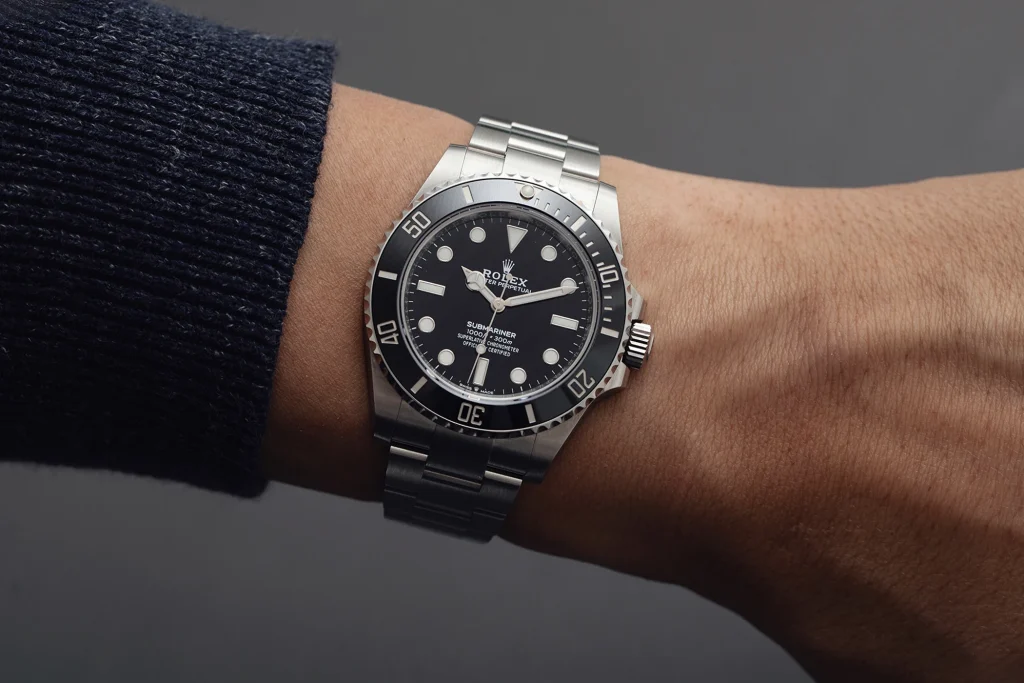
Certain watch designs remain popular because they offer a balance between durability and everyday wearability. Sports models, for example, tend to be more versatile and easier to wear in different environments.
Divers-style watches are often appreciated for their robust construction, while chronograph models are valued for their technical complexity and visual appeal.
Understanding how these styles differ can help narrow down the right choice based on personal preference and usage.
Movement Performance in Daily Use
Mechanical movements are designed for consistency rather than perfect accuracy. A reliable movement should maintain stable performance over time without sudden variations.
When worn regularly, an automatic movement should feel smooth and predictable. Excessive noise, irregular ticking, or unstable timekeeping are often signs of lower-quality construction.
Buyers who prioritize long-term usability typically focus on how the movement performs over weeks and months rather than just initial impressions.
Material and Build Quality
Material quality directly affects durability. Stainless steel cases are commonly used because they offer a strong balance between weight, resistance, and long-term wear.
Sapphire crystal is also widely preferred due to its scratch resistance. Combined with proper case finishing, these materials contribute to a more refined overall feel.
Where Most Buyers Make Mistakes
One of the most common mistakes is focusing only on visual similarity. While appearance is important, it does not always reflect how well a watch is built internally.
Another mistake is overlooking comfort. A watch that looks impressive but feels uncomfortable on the wrist will rarely be worn consistently.
Paying attention to movement stability and overall construction usually leads to a better long-term experience.
Comparing Different Quality Levels
There is a noticeable difference between entry-level watches and higher-quality builds. These differences are not always obvious at first, but they become clear with regular use.
- Higher-quality watches offer more consistent movement performance
- Finishing details are more precise and uniform
- Bracelets feel smoother and more solid
- Overall durability is improved
Understanding these distinctions helps buyers make more informed decisions.
Finding a Reliable Source
When researching different options, it is important to look for detailed information rather than relying on surface-level descriptions. A reliable source should provide clear insights into movement type, materials, and overall construction.
If you want to explore more detailed comparisons and available models, you can review additional information at
this watch collection page.
Having access to structured information makes it much easier to compare different watches objectively.
Frequently Asked Questions
How accurate are mechanical watches?
Mechanical watches are designed for consistency rather than perfect precision. A small daily variation is normal.
Do all watches require maintenance?
Yes. Over time, internal lubrication degrades, and servicing helps maintain long-term performance.
What should I prioritize when choosing a watch?
Movement stability, build quality, and comfort are generally more important than appearance alone.
Final Thoughts
Choosing the right watch involves more than just selecting a design. By understanding movement performance, material quality, and construction details, buyers can make more confident decisions.
In the long run, a well-built watch offers a far better experience than one chosen purely for its appearance. Taking the time to evaluate these factors often leads to a much more satisfying result.
