
blog
The Evolution of Swiss Clone Movements in High-End Replica Watches
Mar
In the world of luxury timepieces, movement technology has always been the true heart of a watch. While many collectors focus on case design, dial details, or brand prestige, experienced enthusiasts understand that the movement determines accuracy, durability, and overall craftsmanship.
Over the last decade, one fascinating development has taken place within the replica watch industry: the rise of advanced Swiss clone movements. These mechanical calibers aim to reproduce the architecture, functionality, and reliability of original Swiss watch movements with remarkable precision.
Today, high-end replica watches have evolved far beyond the basic quartz copies that once dominated the market. Modern manufacturing techniques, improved materials, and refined engineering have created a new generation of replica timepieces capable of delivering impressive performance.
Understanding the Importance of Watch Movements
The movement, often called the “caliber,” is the mechanism that powers a watch. In mechanical watches, hundreds of tiny components work together to measure time through the controlled release of energy stored in the mainspring.
Luxury brands invest enormous resources in developing their movements because they determine key characteristics such as timekeeping precision, power reserve, and longevity. For collectors and enthusiasts, the movement represents the technical soul of the watch.
Historically, replica watches relied on inexpensive generic movements. While these could imitate the appearance of luxury watches, their performance and durability were often limited. However, the industry has gradually evolved as manufacturers began focusing on more sophisticated mechanical engineering.
The Rise of Swiss Clone Movements
Swiss clone movements are designed to replicate the structure and layout of well-known Swiss calibers. Instead of merely producing a generic mechanical movement, manufacturers recreate the same architecture used in original luxury watches.
This approach allows the replica movement to mirror important features such as:
- Rotor design and winding efficiency
- Balance wheel structure
- Gear train configuration
- Date-change mechanisms
- Automatic winding systems
The result is a movement that not only looks similar to the original but also performs in a comparable way. While it may not reach the exact same standards as genuine Swiss manufacturing, the difference has become significantly smaller in recent years.
Modern Manufacturing Techniques
One of the reasons clone movements have improved dramatically is the advancement of manufacturing technology. CNC machining, improved tooling, and better quality control have allowed factories to produce extremely precise components.
Modern clone movements often feature tighter tolerances and more consistent finishing compared with earlier generations. Improved alloys and materials also contribute to greater durability and smoother operation.
These developments mean that today’s high-end replica watches are capable of delivering stable timekeeping and reliable long-term performance when properly maintained.
Why Collectors Pay Attention to Movement Quality
For many watch enthusiasts, movement quality has become the primary factor when evaluating replica watches. A well-constructed movement provides several advantages:
- More accurate timekeeping
- Longer service intervals
- Smoother rotor operation
- Better resistance to wear
- Higher overall craftsmanship
Collectors who appreciate mechanical engineering often enjoy examining the movement through display case backs or detailed photographs. The closer the movement architecture is to the original, the more satisfying the experience becomes.
Case Construction and Material Quality
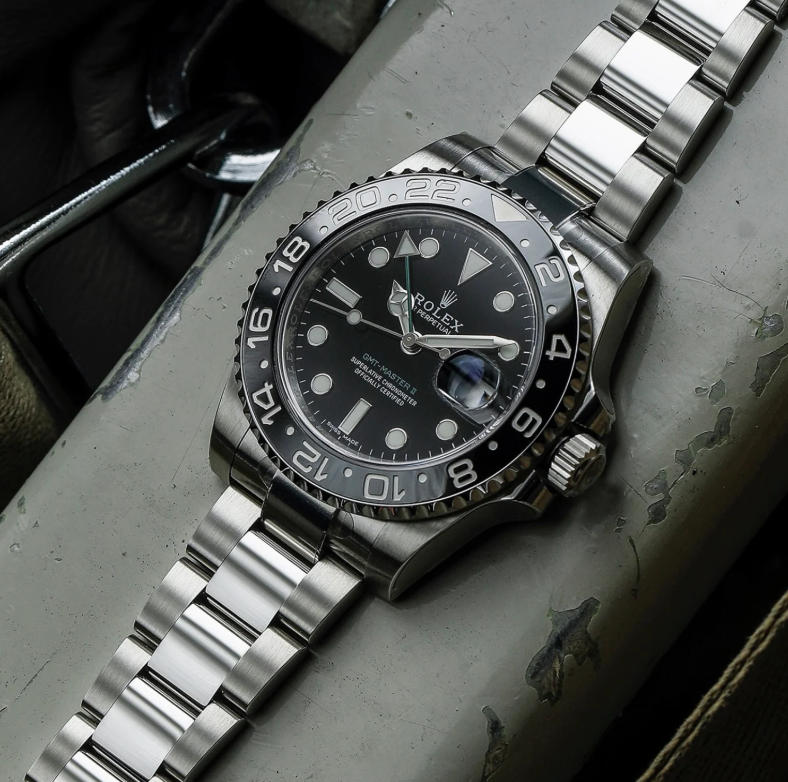
While movements receive most of the attention, the surrounding watch components also play a crucial role. High-end replica watches typically combine clone movements with carefully crafted cases made from stainless steel or other durable alloys.
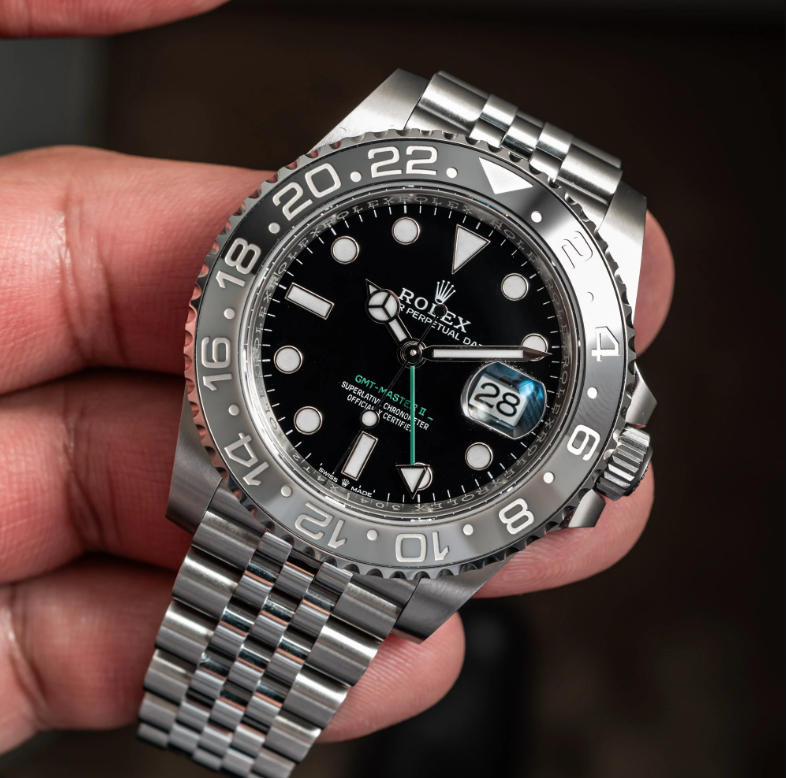
Attention to detail extends to dial printing, bezel finishing, bracelet construction, and sapphire crystal protection. When these elements come together, the result is a timepiece that visually and mechanically resembles the original luxury watch.
For enthusiasts who appreciate the aesthetics of luxury watches but prefer more accessible options, this combination of craftsmanship and engineering has become increasingly attractive.
The Role of Quality Control
Another important factor behind the improvement of replica watches is stricter quality control during production. Reputable manufacturers perform multiple inspections during assembly to ensure each component meets the required standards.
Movement calibration, water-resistance testing, and functional checks help ensure that each watch performs reliably before reaching customers. These processes have significantly improved the consistency of modern replica watches.
Maintenance and Long-Term Performance
Just like genuine mechanical watches, replica watches benefit from periodic maintenance. Cleaning, lubrication, and adjustment help maintain accuracy and extend the life of the movement.
With proper care, many modern clone movements can deliver dependable performance for years. Owners who treat their watches with care often enjoy a satisfying mechanical experience that closely resembles owning a luxury timepiece.
Choosing a Reliable Replica Watch Source
Because the replica watch market is diverse, selecting a trustworthy source is essential. Experienced collectors typically evaluate sellers based on several factors:
- Product transparency and specifications
- Clear photographs and detailed descriptions
- Customer support and communication
- Reliable shipping and warranty policies
For readers interested in exploring modern replica watch collections and learning more about current manufacturing standards, additional information can be found at this detailed replica watch resource.
The Future of Replica Watch Engineering
The replica watch industry continues to evolve as manufacturing technologies advance. Improved machining techniques, better materials, and more accurate design replication are likely to push clone movement development even further.
While genuine luxury watches will always represent the pinnacle of horological craftsmanship, the technical progress within the replica sector demonstrates how quickly mechanical engineering can evolve when innovation meets demand.
For watch enthusiasts who appreciate mechanical complexity and timeless design, the ongoing development of clone movements represents one of the most interesting trends in modern watchmaking.
Final Thoughts
The journey from simple imitation watches to sophisticated clone-movement replicas reflects a broader story of technological progress. Today’s high-end replica watches showcase remarkable improvements in engineering, finishing, and reliability.
As the industry continues to mature, collectors can expect even more refined movements and increasingly accurate reproductions of classic timepieces. For many enthusiasts, the appeal lies not only in the design of the watch but also in the fascinating mechanics that power it.
Whether one studies the intricate gears of a movement or simply appreciates the craftsmanship of a well-constructed watch, the world of mechanical horology remains endlessly captivating.
