
How to Read a “Superclone” Listing
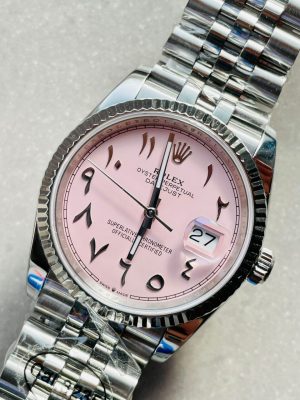
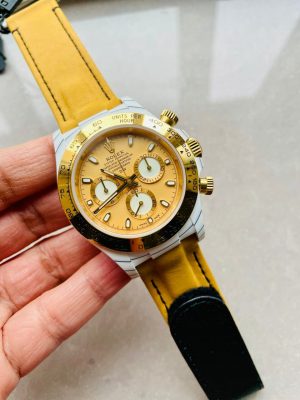
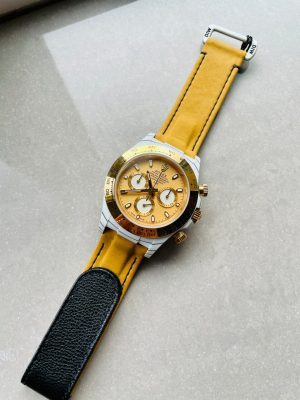
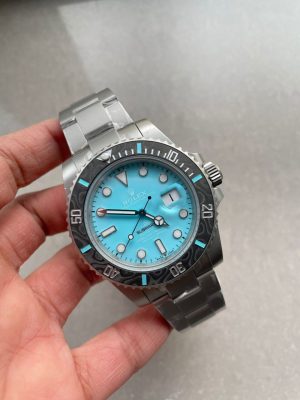
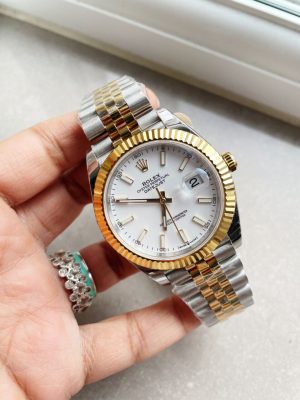
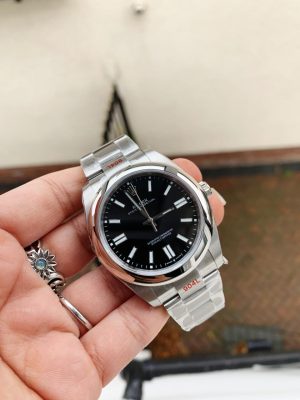
The word itself tells you less than the specification underneath it. Start by identifying the Rolex reference the product is trying to reproduce. A Submariner, Daytona and Datejust should not be compared on a single generic “superclone grade” because their cases, bracelets, movements and functions are different.
Factory and Batch Names Are Identifiers
Names such as Clean, VSF, BTF, GMF and others are unofficial market labels. They are useful for distinguishing versions, but the label alone does not prove that every product from one factory is superior or that two batches are identical.
Movement Claims Need Context
Clone-caliber names can describe architecture, appearance or intended compatibility, depending on the listing. Check what the seller actually states about the movement and what functions are shown. A chronograph, GMT and simple three-hand watch should be evaluated differently.
Visible Construction Still Matters
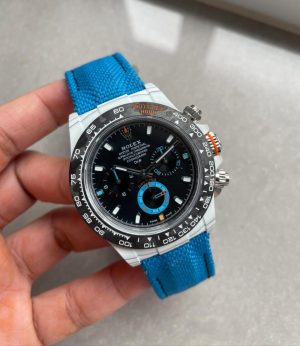
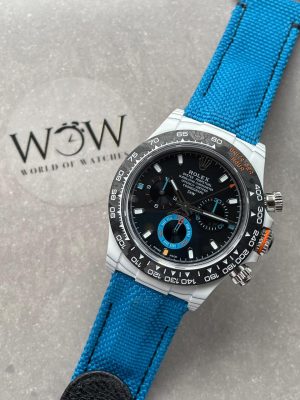
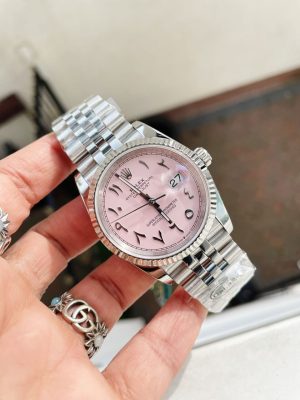
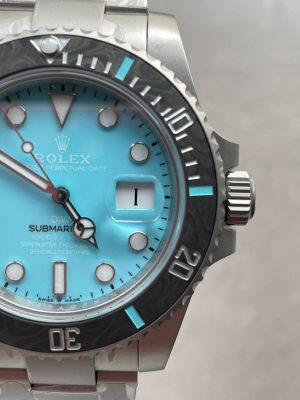
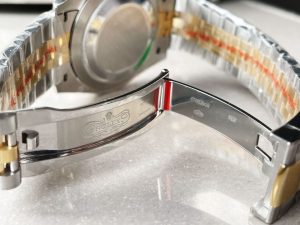
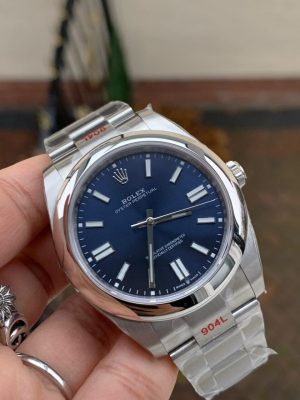
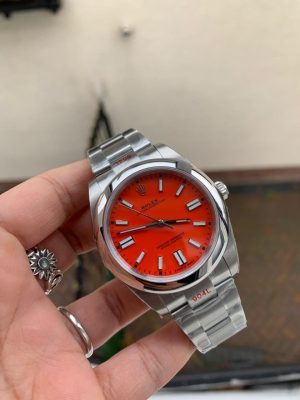
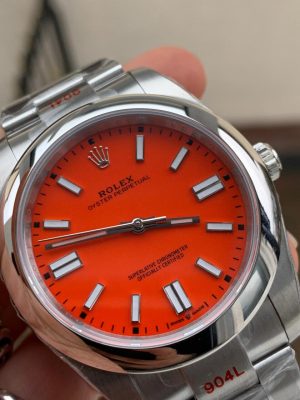
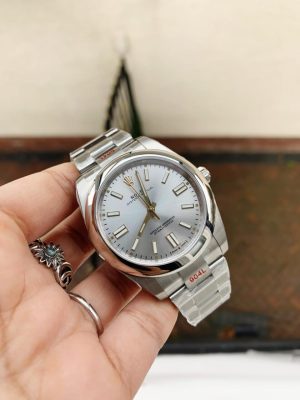
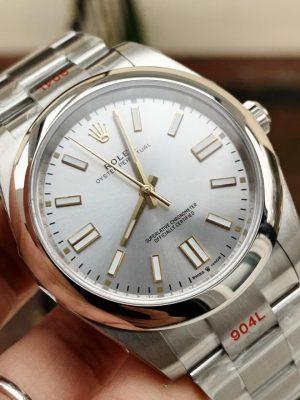
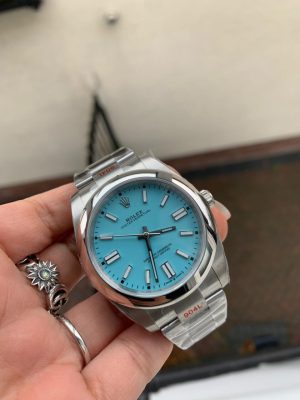
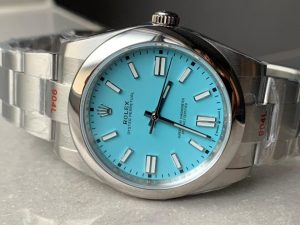
Case proportions, bezel action and printing, dial alignment, rehaut details, bracelet fit and clasp construction are all reference-specific. Product photos and the exact listing specification are more useful than a broad “1:1” claim.
Water Resistance Is Not a Category Feature
Do not infer water resistance from the word “superclone.” It should be treated as an individual-watch condition and, where it matters, verified by a pressure test for that specific watch.
This page is therefore best used as a cross-model inventory filter. For model-specific decisions, move from here into the relevant Submariner, Daytona, GMT-Master II, Datejust or other model collection.