
blog
A Practical Guide to Choosing a High-Quality Replica Watch
Mar
For many watch enthusiasts, understanding how to choose a well-made mechanical watch is just as important as appreciating its design. Over the past few years, interest in detailed watch construction, materials, and movement quality has grown significantly. People are no longer satisfied with appearance alone — they want to understand how a watch is built and how it performs over time.
This guide takes a practical approach. Instead of focusing on marketing language, it explains what actually matters when evaluating a watch, from movement structure to finishing details and long-term usability.
1. Movement: The Core of the Watch
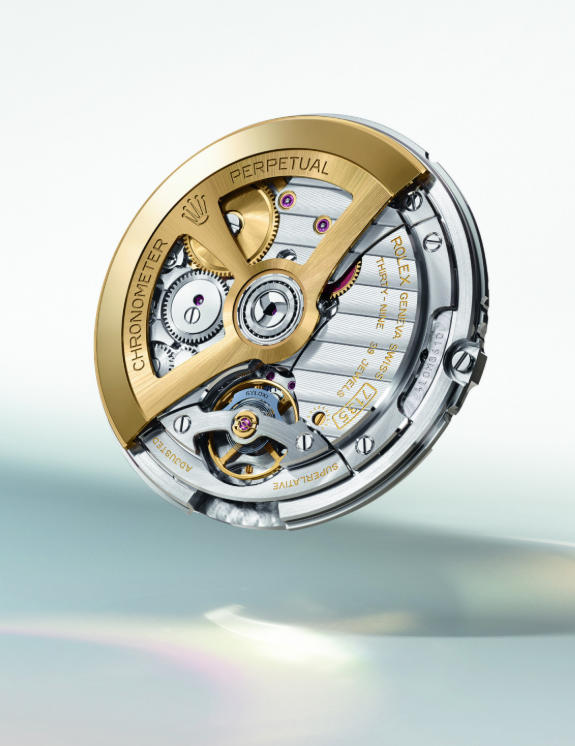
The movement is the most important part of any mechanical watch. It determines how accurately the watch keeps time and how reliable it will be over the long term.
Most modern mechanical watches rely on automatic movements, which wind themselves through natural wrist motion. When evaluating a watch, pay attention to:
- Stability of timekeeping
- Smoothness of the seconds hand
- Consistency when fully wound
- Noise level of the rotor
A well-constructed movement should feel smooth, not loose or inconsistent. Over time, this becomes one of the most noticeable differences between watches of different quality levels.
2. Case and Material Quality
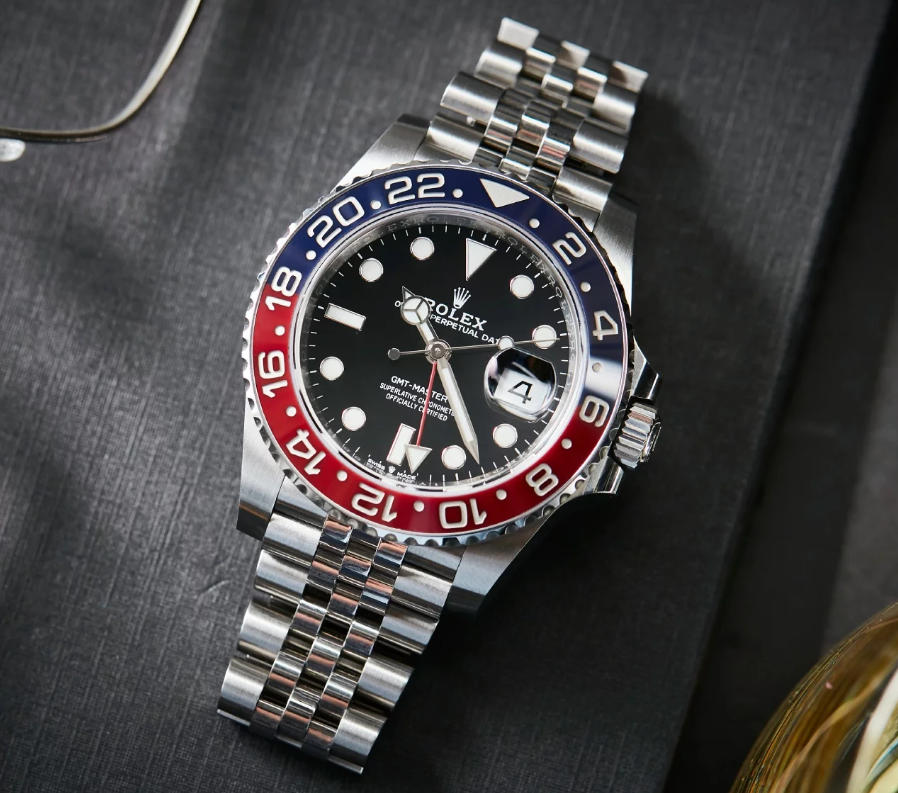
Beyond the movement, the case construction plays a major role in durability. Stainless steel is commonly used because it offers strong resistance to corrosion and everyday wear.
Look for:
- Even brushing and polishing
- Clean edges without sharp imperfections
- Solid weight and balanced feel
- Proper alignment between case and bracelet
Small details in finishing often reveal how much attention was given during manufacturing.
3. Dial Details and Finishing
The dial is where design and craftsmanship meet. A well-made dial should have clear printing, precise alignment, and consistent color.
Details to check include:
- Sharpness of text and markers
- Even lume application
- Correct spacing between elements
- Consistent color tone under different lighting
Experienced collectors often evaluate a watch by these details before anything else.
4. Bracelet and Wearing Experience
Comfort is often overlooked but becomes important over time. A good bracelet should feel solid but not stiff, with smooth articulation between links.
Key points:
- No rattling or looseness
- Secure clasp mechanism
- Smooth edges for daily wear
- Balanced weight on the wrist
A well-fitted bracelet improves the overall experience significantly.
5. Accuracy vs Practical Use
Mechanical watches are not designed to be perfectly accurate like quartz watches. Small variations are normal and expected. What matters more is consistency.
A stable mechanical watch that runs slightly fast or slow each day is generally preferable to one that varies unpredictably.
6. Understanding Quality Levels
Not all watches are built to the same standard. Differences in materials, movement construction, and finishing can lead to noticeable variations in performance.
Higher-quality watches typically offer:
- More stable movements
- Better finishing
- Improved durability
- More consistent long-term performance
These differences become more obvious over time rather than immediately.
7. Long-Term Maintenance
Like any mechanical system, watches benefit from proper maintenance. Over time, lubrication inside the movement can degrade, affecting performance.
Regular servicing helps ensure that the watch continues to run smoothly. With proper care, a well-made mechanical watch can remain reliable for many years.
8. Where to Learn More About Watch Construction
For those interested in exploring more details about modern watch construction, movement types, and design variations, you can find additional information and examples at this watch resource.
Understanding how watches are built makes it easier to appreciate the craftsmanship behind them and to make more informed decisions.
Final Thoughts
Choosing a well-made mechanical watch is ultimately about understanding how different components work together. From movement design to finishing details, each part contributes to the overall experience.
Rather than focusing only on appearance, taking the time to evaluate construction and performance can lead to a much more satisfying ownership experience. For many enthusiasts, this deeper understanding is what makes watch collecting truly rewarding.
