
blog
What Makes Modern Mechanical Watches So Fascinating?

Mar
Mechanical watches have a unique charm that continues to attract collectors and enthusiasts around the world. In an age where smartphones and smartwatches dominate everyday life, the appeal of a purely mechanical device measuring time might seem surprising. Yet for many people, this is exactly what makes traditional watchmaking so fascinating.
A mechanical watch is more than just a tool for telling time. It is a miniature machine powered by springs, gears, and carefully engineered components that work together with remarkable precision. When people begin to understand how these watches function internally, the appreciation for them often grows much deeper.
The Beauty of Mechanical Engineering
At the heart of every mechanical watch lies a carefully designed movement. The movement contains dozens of tiny components that interact with one another to regulate the release of energy stored in a wound spring. This system allows the watch to track seconds, minutes, and hours with surprising accuracy.
Unlike electronic timekeeping devices, mechanical watches rely entirely on physical motion. Each tick you hear represents the balance wheel oscillating back and forth while the escapement releases controlled bursts of energy. The result is a steady rhythm that has fascinated watch lovers for generations.
This mechanical rhythm is often described as the “heartbeat” of the watch. Many collectors find this element especially appealing because it gives the watch a sense of life and character.
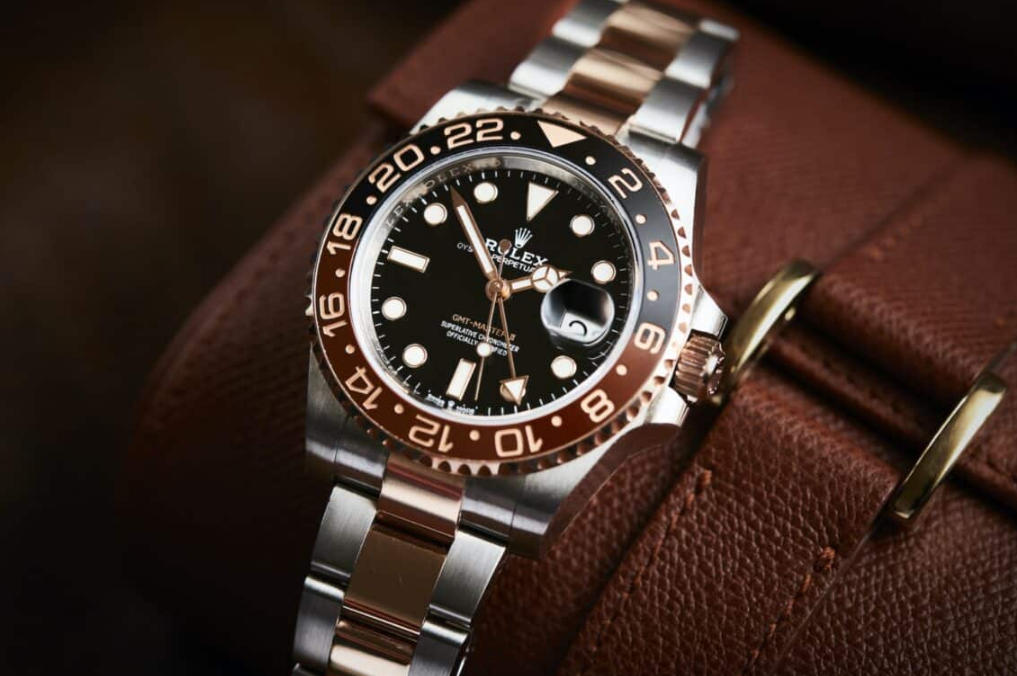
Why Mechanical Watches Still Matter Today
Although quartz technology offers extremely precise timekeeping, mechanical watches continue to hold a special place in the world of horology. Part of the appeal comes from the craftsmanship involved in producing such intricate mechanisms.
Manufacturing a high-quality movement requires careful machining, detailed finishing, and precise assembly. Skilled watchmakers must ensure that every component works smoothly with the others. Even small adjustments can affect accuracy and performance.
For enthusiasts, owning a mechanical watch is similar to appreciating other forms of mechanical art such as classic automobiles or finely crafted instruments.
The Role of Design and Materials
While the movement powers the watch, design also plays an important role. Case materials, dial layout, and bracelet construction all contribute to the overall experience of wearing a watch.
Stainless steel remains one of the most popular materials used in watchmaking because it offers durability and corrosion resistance. Sapphire crystal is also widely used to protect the dial from scratches.
Modern manufacturing techniques allow watchmakers to achieve impressive finishing quality even on extremely small components. These improvements have helped mechanical watches maintain their relevance even as technology evolves.
Growing Interest Among New Enthusiasts
Over the past decade, interest in mechanical watches has expanded significantly. Many newcomers discover the hobby through online communities, watch forums, and detailed product reviews. As they learn more about movements and design details, they often begin exploring different types of watches and styles.
This growing interest has also increased curiosity about how different watches are produced and how their internal mechanisms operate. Enthusiasts frequently compare case construction, movement architecture, and finishing details when evaluating different timepieces.
Understanding Modern Watch Manufacturing
Advances in manufacturing technology have made it possible to produce extremely precise components at scale. CNC machining, improved alloys, and better finishing techniques allow manufacturers to achieve a level of consistency that was difficult to reach decades ago.
These improvements benefit the entire watch industry by making mechanical movements more reliable and durable. As a result, enthusiasts today can enjoy watches that combine traditional mechanical principles with modern engineering precision.
For readers who are interested in learning more about current watch designs and mechanical details, additional information and collections can be explored through this watch resource.
Maintaining a Mechanical Watch
Mechanical watches require occasional maintenance to perform at their best. Over time, lubricants inside the movement can degrade, and friction between components may increase. Professional servicing helps restore optimal performance by cleaning, lubricating, and adjusting the movement.
With proper care, many mechanical watches can operate reliably for decades. This longevity is one of the reasons collectors view mechanical watches as long-term pieces rather than disposable accessories.
The Timeless Appeal of Mechanical Timepieces
Despite rapid technological progress, the fascination with mechanical watches remains strong. These tiny machines represent a blend of engineering, craftsmanship, and design that continues to captivate people around the world.
For many enthusiasts, a mechanical watch is more than just a device for measuring time. It is a symbol of mechanical creativity and human ingenuity. Each movement, gear, and spring reflects centuries of watchmaking tradition that still inspires admiration today.
