
blog
Rolex Bracelet and Clasp Guide – Oyster, Jubilee, President and Oysterflex
Aug
The bracelet is one of the easiest parts of a Rolex-style watch to underestimate.Collectors often begin by comparing the dial, bezel, movement or case, but the bracelet has an equally important influence on how a watch looks, feels and wears throughout the day.
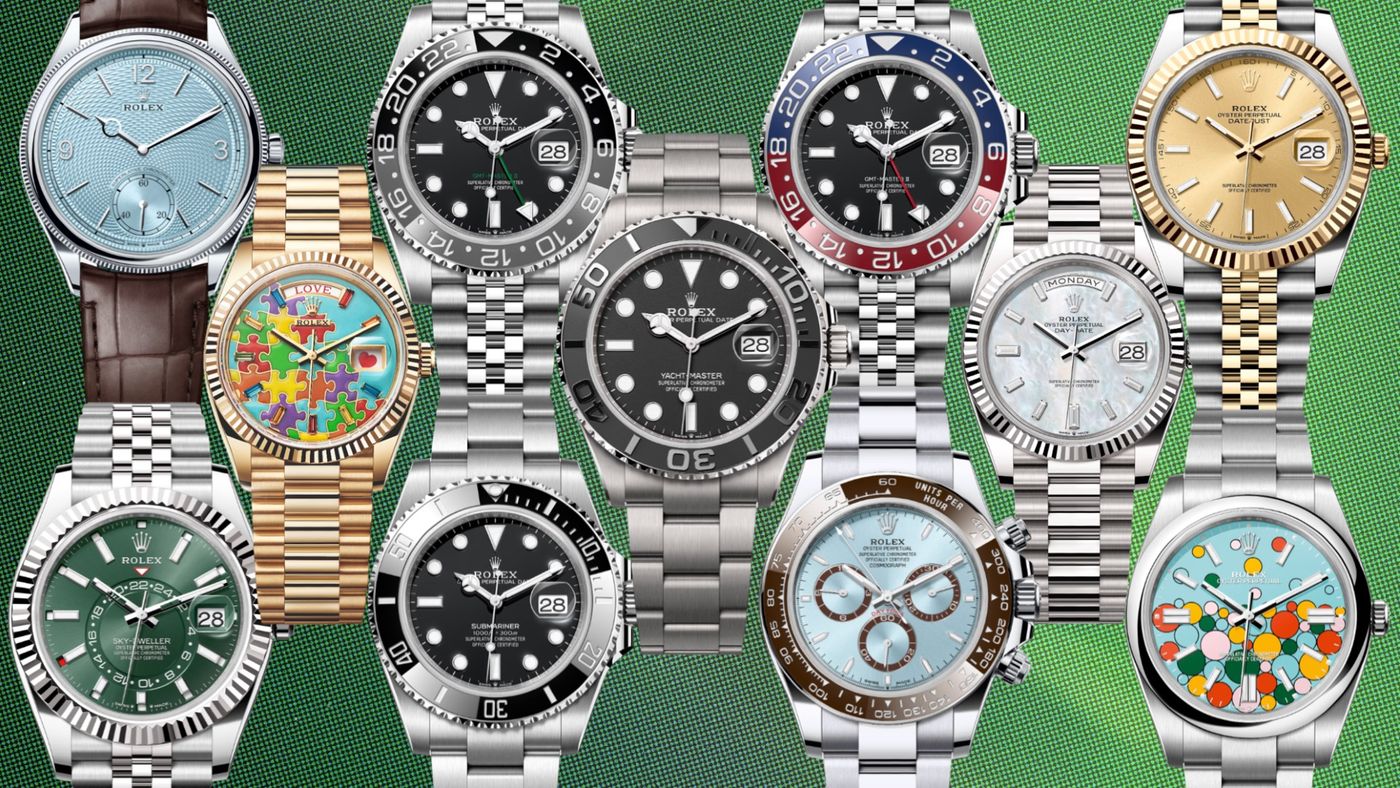
A Submariner on an Oyster bracelet creates a very different impression from a Datejust on Jubilee. A Day-Date would lose much of its identity without the President bracelet, while Oysterflex gives certain modern Daytona and professional-style models a noticeably sportier character.
For buyers comparing different Rolex-inspired or replica watches, understanding these bracelet designs is useful because photographs do not always reveal differences in link shape, articulation, clasp construction or wrist comfort.
This guide looks at the four bracelet styles most closely associated with modern Rolex design: Oyster, Jubilee, President and Oysterflex, followed by the clasp details that are worth checking before choosing a watch.
Why the Bracelet Matters More Than Many Buyers Expect
A bracelet does more than hold the case on the wrist. Its width, taper, individual link shape and surface finishing all affect the proportions of the complete watch.
Two watches with identical case diameters can feel surprisingly different if one uses a wide, solid three-link bracelet while the other uses smaller articulated links. Weight distribution also changes. A heavier bracelet may make a large sports watch feel more balanced, while a more flexible design can help a dressier model sit closer to the wrist.
The bracelet also contributes strongly to the visual identity of a Rolex model. In many cases, someone familiar with the brand can recognize the general collection simply from the bracelet and clasp before looking closely at the dial.
That makes bracelet accuracy particularly important when comparing higher-quality replica versions. Small differences in link shape, centre-link polish, end-link fit or clasp thickness can change the overall impression even when the case and dial are well executed.
The Oyster Bracelet: The Classic Three-Link Sports Design
The Oyster bracelet is probably the most immediately recognizable of the major Rolex bracelet designs. Its layout uses three broad links across the width of the bracelet,creating a simple and relatively solid appearance.
This design works especially well with professional-style watches because it visually supports a larger case without making the watch appear excessively decorative.
Models such as the Submariner are closely associated with the Oyster bracelet. The strong three-link construction suits the Submariner’s rotating bezel, larger hour markers and functional dive-watch character.
The same principle applies to many GMT-Master II configurations. Even when a GMT model is also offered with a Jubilee-style bracelet, the Oyster version creates a more direct, tool-watch appearance.
What to Look at on an Oyster Bracelet
When comparing different versions, start with the shape and spacing of the links rather than only checking the material specification.
- Look at how evenly the links articulate when the bracelet bends.
- Check whether the bracelet tapers naturally toward the clasp.
- Inspect the transition between the end links and the watch case.
- Compare brushed and polished surfaces under neutral light.
- Make sure the centre links do not appear unusually wide or narrow.
- Check that the clasp closes cleanly without excessive lateral movement.
The fit of the solid end links is particularly important. Large gaps between the bracelet and case can make an otherwise convincing watch look poorly finished.
On higher-grade versions, buyers should also pay attention to the edges of the links.Overly sharp edges can make a bracelet uncomfortable even if it looks good in photographs.A well-finished bracelet should feel smooth where it contacts the wrist.
The Jubilee Bracelet: More Articulation and a Dressier Appearance
The Jubilee bracelet uses five links across its width, giving it a more complex and flexible structure than the Oyster design.
Its smaller centre sections create more articulation, which is one reason many people find Jubilee-style bracelets especially comfortable for everyday wear.
The bracelet has long been strongly associated with the Datejust.A Datejust on Jubilee usually appears more formal and visually detailed than the same watch
on Oyster.
The effect is particularly noticeable on watches with fluted bezels or reflective dial finishes. The additional polished surfaces of the bracelet interact with light in a way that gives the entire watch a more decorative appearance.
Modern GMT-Master II designs have also made the Jubilee bracelet popular among buyers who want a sports watch that feels less utilitarian than the traditional Oyster configuration.
Jubilee Quality Is Often Easier to Judge in Motion
Static product photographs can hide one of the biggest differences between Jubilee bracelets: articulation.
A bracelet may look correct when laid flat but feel stiff once worn. For that reason, a short video showing the bracelet moving naturally is useful when evaluating a particular
watch.
Look for smooth movement between the individual links without obvious binding. Excessive looseness is not desirable either. The goal is controlled flexibility rather than a bracelet that feels unstable.
Polishing also matters because the narrow centre links naturally catch more light.Uneven polishing can be much easier to notice on Jubilee than on a fully brushed sports bracelet.
The President Bracelet: Closely Associated with the Day-Date
The President bracelet uses semi-circular three-piece links, giving it a softer and more formal shape than the straight-edged Oyster bracelet.
It is most strongly associated with the Day-Date,where the bracelet forms an important part of the model’s identity.
Because the links are shorter and more rounded, the President bracelet usually appears more fluid around the wrist. Visually, it sits somewhere between the simplicity of Oyster and the intricate look of Jubilee.
On precious-metal-style watches, bracelet finishing becomes especially noticeable.Different surfaces reflect light differently, so inconsistent brushing, excessive polish or poorly shaped link edges can affect the appearance immediately.
What Makes a President-Style Bracelet Convincing?
The most important detail is proportion.
The individual links should not appear too thick, too flat or too widely separated.A bracelet with the wrong link profile can make the watch look heavier than the design intends.
The concealed or low-profile clasp area also deserves attention. A bulky clasp can interrupt the smooth appearance that makes this bracelet style distinctive.
For this reason, buyers comparing Day-Date versions should look beyond the dial and bezel.The bracelet often reveals differences in finishing quality that are difficult to see in front-facing product photographs.
Oysterflex: A Sportier Alternative to a Conventional Metal Bracelet
Oysterflex looks visually similar to a premium rubber strap, but its design concept is more structured than a simple flexible strap.
It is commonly associated with selected modern professional and precious-metal models,including certain Daytona configurations.
The darker bracelet changes the visual balance of the watch considerably. Gold or Everose-style cases can look more casual and more performance-oriented on Oysterflex than on a full metal bracelet.
This contrast is one reason the design has become popular with buyers who like a luxury sports-watch appearance without the weight and visual presence of a full precious-metal bracelet.
Comfort Depends on More Than Softness
A good Oysterflex-style bracelet should sit securely without twisting the watch head around the wrist.
The underside profile matters because it controls how much surface area touches the skin.A strap can feel soft in the hand yet become uncomfortable after several hours if it does not follow the wrist naturally.
Sizing is therefore especially important. Metal bracelets can usually be adjusted by adding or removing links, while Oysterflex-style systems depend more heavily on choosing the correct bracelet length and using the clasp’s adjustment range.
Clasp Design Can Be More Important Than the Bracelet Itself
The clasp is one of the most frequently handled mechanical parts of a watch. A beautiful bracelet loses much of its appeal if the clasp feels loose, sharp or difficult to operate.
When comparing a watch, open and close the clasp several times. The action should feel controlled rather than excessively stiff or unexpectedly loose.
Also inspect the alignment of the clasp when closed. The two sides should sit evenly,without one side appearing noticeably higher than the other.
Oysterclasp
Oysterclasp is commonly found across many everyday Rolex bracelet configurations. Its folding construction is designed to combine security with straightforward operation.
From a practical point of view, buyers should check the release action, hinge movement and the way the clasp sits against the wrist.
Oysterlock
Professional models may use a safety-locking design intended to reduce the chance of accidental opening.
This gives the clasp an additional layer of interaction and means alignment becomes even more important. A poorly fitted outer safety section can feel loose even when the main clasp is securely closed.
Glidelock and Fine Adjustment
Adjustment systems are especially useful on larger sports models because wrist size can change slightly during the day.
Fine adjustment also helps buyers achieve a better fit without being forced to choose between adding or removing an entire bracelet link.
When examining an adjustable clasp, check that each position engages positively and does not slide unintentionally once locked.
Oyster vs Jubilee: Which One Works Better for Everyday Wear?
There is no universal answer because the two designs create very different wearing experiences.
Oyster generally feels more visually substantial. Its broader links suit buyers who prefer a simpler, sportier appearance.
Jubilee usually feels more flexible and decorative. The additional links allow the bracelet to wrap naturally around the wrist, while the polished centre sections create more visual movement.
A useful way to choose is to think about the rest of the watch.
A rotating sports bezel, strong case shoulders and large luminous markers often pair naturally with Oyster. A fluted bezel, polished case surfaces and a more formal dial may work particularly well with Jubilee.
GMT-Master II is interesting because both personalities can work. Oyster gives the watch a more traditional sports-watch feel, while Jubilee moves it closer to a versatile sport-and-dress combination.
Bracelet Details That Matter When Comparing Replica Versions
When buyers compare replica Rolex watches, the bracelet is sometimes described only as “904L steel,” “Oyster,” or “Jubilee.” Those labels do not tell the full story.
Two bracelets made from the same advertised material can feel completely different because of machining, polishing, tolerances and assembly.
The following checks provide more useful information:
- End-link fit: look for excessive gaps where the bracelet meets the case.
- Link articulation: the bracelet should move naturally without binding.
- Surface finishing: brushed and polished areas should be cleanly separated.
- Taper: compare bracelet width at the lugs and near the clasp.
- Clasp thickness: an oversized clasp can affect both comfort and appearance.
- Edge finishing: sharp corners are uncomfortable during long wear.
- Screw quality: poorly fitted bracelet screws can make resizing difficult.
- Alignment: the clasp and bracelet should sit straight when closed.
These areas are especially useful because they can often be evaluated without opening the watch or inspecting the movement.
Why Bracelet Choice Can Change the Personality of the Same Rolex Model
One of the interesting things about Rolex design is that changing the bracelet can make the same basic watch feel almost like a different model.
A Datejust on Oyster feels cleaner and more contemporary. The same reference on Jubilee can feel more traditional and formal.
A GMT-Master II on Oyster has a stronger professional-watch character, while Jubilee creates more contrast between the functional bezel and the refined bracelet.
Similarly, a Daytona on full metal emphasizes the shape and weight of the case, whereas an Oysterflex-style bracelet visually separates the watch head from the wrist and creates a more modern sports-luxury appearance.
This is why bracelet selection should not be treated as a small cosmetic decision.For many buyers, it changes the entire wearing experience.
How to Evaluate a Bracelet Before Ordering
Product specifications are useful, but photographs and video provide additional information that specifications cannot show.
A useful pre-purchase inspection should include:
- A straight photograph of the watch and bracelet together.
- A side view showing how the end links meet the case.
- A photograph of the clasp both open and closed.
- A close-up of brushed and polished surfaces.
- A short video showing bracelet articulation.
- A view of the clasp adjustment mechanism where applicable.
Buyers should also confirm the actual bracelet supplied with the individual watch rather than assuming every version of the same reference uses the same bracelet.
Factories and production batches can change, and sellers may offer more than one bracelet configuration for the same model.
Frequently Asked Questions
Is Oyster more durable than Jubilee?
Oyster has a simpler three-link layout and is commonly associated with sports models, but real-world durability depends on manufacturing quality, link construction, clasp design and how the watch is used. A well-made Jubilee bracelet can also provide excellent everyday durability.
Is Jubilee more comfortable?
Many wearers find Jubilee comfortable because its smaller links allow more articulation around the wrist. Comfort is still subjective and also depends on correct sizing.
Which bracelet is most closely associated with the Day-Date?
The President bracelet is the design most strongly associated with the Day-Date and forms a major part of the model’s visual identity.
Does Oysterflex feel like a normal rubber strap?
It has a flexible outer appearance, but the design is more structured than a basic rubber strap. Fit, internal construction and clasp adjustment all influence how it feels on the wrist.
What bracelet details should replica buyers check first?
Start with end-link fit, link articulation, clasp alignment, edge finishing and the quality of brushed and polished surfaces. These details are usually easier to evaluate than internal movement construction and can reveal significant differences between versions.
Finally, everyone should be aware of this
Bracelets are an essential part of Rolex design rather than a secondary accessory.Oyster, Jubilee, President and Oysterflex each change the appearance, balance and wearing experience of a watch in a different way.
The Oyster bracelet emphasizes strength and simplicity. Jubilee adds flexibility and visual detail. President brings a softer, more formal character to the Day-Date, while Oysterflex combines a modern sports aesthetic with a different style of wrist comfort.
For buyers comparing Rolex-inspired watches, the most useful approach is not simply to ask which bracelet is “best.” It is better to consider the case, bezel, dial, intended use and the way the complete watch should sit on the wrist.
A good bracelet should look right, move naturally and remain comfortable after hours of wear. When all three are achieved, the bracelet becomes part of what makes the entire watch feel coherent rather than merely another specification on the product page.
